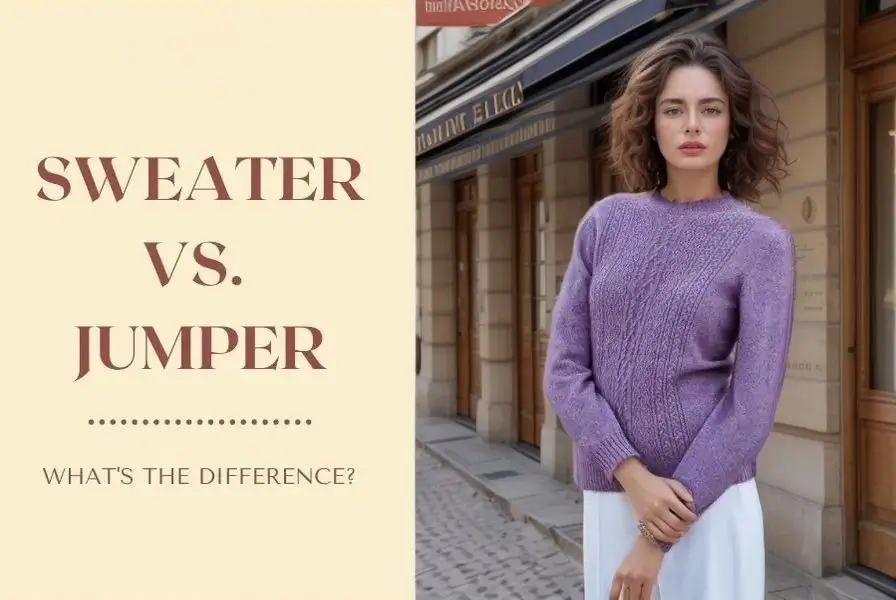

UK jumper labelling requirements for private-label brands should be treated as a strict production-control task, not as an afterthought or mere artwork to approve at the end of an order. Before bulk knitting starts, the brand and supplier should agree the fibre composition, identify components with different materials, prepare the necessary component declarations, confirm any animal-origin wording, and execute the final garment label approval against the approved pre-production sample. A label can look graphically correct on screen while still being legally or technically wrong if the yarn, contrast panels, ribbing, lining, or supplier claims changed during the development process.
This guide explains the crucial verification checks that should happen between the Tech Pack stage, sample approval, and final production handoff. It focuses on jumpers sold in the United Kingdom, while noting where a separate, dedicated review is necessary for the EU, the US, or other international export markets.
Start with the Garment Definition, Not the Label Artwork
For a buyer asking what is a jumper in the uk, the practical answer is a knitted or crocheted upper-body garment, usually worn over another layer. In customs guidance, GOV.UK describes jerseys and pullovers as knitted or crocheted garments intended to cover the upper body, often with ribbing or another tightening feature at the hem, neckline or sleeve ends. This classification guidance is highly useful when checking product descriptions, Tech Packs, and import documents, but it is never a substitute for reviewing the physical garment label against the actual product.
A long fine-knit jumper, a heavy cardigan, a sleeveless style, or a dress-like knitted garment may need a completely different classification depending on its specific construction and intended consumer use. Ask the supplier to keep the commercial product name, customs description, and label composition record perfectly aligned. Simply using the word jumper on an invoice does not remove the legal need to provide accurate, verified fibre information on the garment itself.
What the UK Fibre Label Must Communicate
UK textile guidance requires the fibre content to be clearly shown, including relevant fur and other animal parts. The information should use permitted fibre names and accurately state the composition based on testing or reliable supply chain evidence. For a normal private-label jumper, a practical declaration may look like 80% wool, 20% recycled nylon, provided the wording and percentages precisely match the approved material evidence.
The label must be in English and must be durable, legible, visible, and accessible to the consumer. For retail sales, the information is normally placed on a securely sewn-in label, a printed neck label, a swing ticket, or on the packaging, depending on the product and presentation style. In business-to-business transactions, fibre information may also appear in commercial documents, but that should never be used as a reason to omit the consumer-facing label when the garment will ultimately be sold to the public.
Do not use terms like pure, 100%, or all unless the product is exclusively made from one single fibre type. Use the authorised generic fibre name rather than a supplier nickname, a trademarked yarn name (unless accompanied by the generic name), or a marketing term. Furthermore, if the brand’s website or catalogue allows the customer to order the jumper by reference to the description, the exact fibre composition should also prominently appear in that online or printed sales information.
Build a Component Declaration Before Sampling

In our experience, the most frequent compliance failures happen in the details. The most common production mistake is approving the main body composition while completely ignoring the rest of the garment. Brands must create a component matrix for the jumper before ordering the first sample. List the body, sleeves, collar, cuffs, hem rib, contrast panels, intarsia or jacquard areas, embroidery, lining, pocket bags, patches, labels, and other substantial textile components.
If different components have different fibre contents, the declaration may need to identify those components separately. This matters immensely when a wool body is combined with a polyester lining, a cotton contrast panel, a synthetic pocket bag, or a nylon-reinforced yarn in the collar and cuffs for better shape retention. Small decorative materials and certain minor accessories may be treated differently under the regulations, but buyers should not assume that every trim is automatically excluded from labelling requirements. Always ask the manufacturer to explain and document the basis for any omission.
For a fully fashioned knitted jumper, the rib is often made from the exact same yarn as the body, but this should be explicitly confirmed rather than assumed. A contrast cuff or a tipped collar can easily introduce a second composition. Embroidery thread, leather patches, and faux-fur details also deserve a separate review. If the garment contains leather, fur, bone, horn buttons, or another non-textile part of animal origin, the mandatory wording indicating non-textile parts of animal origin must be checked and approved before the bulk label is printed.
Keep Fibre, Care and Branding Information Separate
Fibre composition, care labelling, brand identity, size, country of origin, and environmental claims are related but require separate approval workflows. A private-label brand should maintain one comprehensive label specification showing which information is mandatory by law, which information is market-specific, and which information is optional branding.
Care symbols are widely used in international apparel markets, but the specific symbol system, trademark licensing position, and recommended treatment should be confirmed for the exact markets where the jumper will be sold. UKFT identifies care instructions, fibre composition, origin, safety, and environmental information as separate labelling considerations. Do not let a care-label supplier or the factory choose washing instructions without reviewing the actual yarn, gauge, stitch structure, finishing, and shrinkage behaviour. A 5GG chunky knit may require entirely different care than a 14GG fine knit, even if both happen to use the same yarn blend. Care instructions must always reflect the weakest or most sensitive component of the garment.
Origin wording also needs its own documented evidence. A label saying Made in UK, British wool, or a similar claim should be strongly supported by the relevant production and material records from the supply chain. It should never be used as a substitute for the fibre composition itself. If the same jumper will be sold in the EU, the United States, Canada, or Australia, create a comprehensive market matrix rather than assuming that one simplified label will magically satisfy every destination.
Use a Label Approval Gate in the Production Handoff

A reliable garment label approval process follows the physical product instead of running on a separate administrative track. Use these five distinct gates to control quality:
- Tech Pack and bill of materials: Record the intended fibre composition, yarn supplier, gauge, colour, trims, and specific component construction.
- Material approval: Match the yarn specification, supplier declaration, and any laboratory test or certification evidence to the actual yarn selected for bulk production.
- Sample review: Check the physical sample, including the main body, ribbing, contrast areas, embroidery, lining, and patches. Confirm that the label wording describes this exact sample, not an earlier design iteration.
- Artwork approval: Approve the exact spelling, percentages, fibre names, care information, size grading information, and brand placement. Keep a dated, signed-off file version.
- Pre-production release: Check the final printed or woven label against the pre-production sample and purchase order before bulk knitting begins. Do not release labels based only on an old lab dip or a preliminary supplier quotation.
In production, we often see label problems appear late in the process after a yarn substitution or a late-stage colour change. The safest control is to make any material change automatically trigger a fresh label review. This is also where a documented custom sweater production process can significantly reduce avoidable rework and compliance risks.
Questions to Ask the Jumper Manufacturer
Before placing a private-label knitwear order, ask the supplier to answer these critical questions in writing:
- What is the final, verified fibre composition of the production yarn, including any blended or recycled content?
- Are the collar, cuffs, hem, contrast panels, lining, and pocket components made from the exact same composition as the main body?
- Which legally permitted fibre names will appear on the label?
- What documented evidence supports recycled, organic, wool, cashmere, or other premium material claims?
- Will the label be sewn in, printed on the neck, attached as a swing ticket, or applied directly to the packaging?
- Who is responsible for checking the bulk label against the approved pre-production sample?
- What happens if yarn availability, colour matching, or production scheduling requires a sudden material substitution?
For smaller runs, the brand should also ask whether the label supplier has a practical minimum order quantity (MOQ) for custom woven labels and whether incorrect labels can be replaced without severely delaying the final shipment. A low MOQ on the garment itself does not remove the need for disciplined label approval. In fact, it may simply make version control more important because one incorrect label batch can affect a large share of a small order.
Brands comparing private-label knitwear suppliers should also confirm who owns the Tech Pack, who ultimately approves the label artwork, and who retains the supporting composition records for future compliance audits.
Common Private-Label Labelling Failures
- Using development composition for bulk production: The initial prototype sample may use one available yarn while the bulk order uses another blend or a different supplier to meet cost targets.
- Rounding the fibre content for marketing: A claim such as “wool jumper” may be technically understandable to a buyer but can still mislead consumers if the composition or product title suggests a higher wool content than the garment actually contains.
- Ignoring contrast parts: A different cuff, lining, pocket bag, or decorative textile panel often needs separate regulatory treatment.
- Making unsupported sustainability claims: Recycled, organic, and responsible-material claims should be strictly tied to the actual product composition and supporting transaction certificates.
- Approving the label before the final sample: Heavy washing, finishing treatments, late yarn substitution, and construction changes can fundamentally alter the information that should appear on the care and composition label.
- Leaving the website unchanged: Product pages, wholesale catalogues, and trade literature should not state a different fibre composition from the physical jumper shipped to the customer.
Use a documented knitwear quality control process to directly connect the label check with measurement, material testing, and pre-production inspection rather than treating it as a superficial branding-only task.
A Practical Final Approval Checklist
| Stage | Evidence to check | Release decision |
|---|---|---|
| Before sampling | Yarn specification, component list and intended fibre wording | Proceed only when the product record is complete |
| After material approval | Actual yarn, colour, blend and relevant claim evidence | Update the composition record if anything changes |
| Fit or development sample | Body, rib, contrast areas, lining, patches and care recommendation | Approve or revise the label specification |
| Pre-production sample | Physical label, artwork version, garment and purchase order | Release bulk labels and production together |
| Online launch | Product page, packaging, label and marketing claims | Publish only when all descriptions match |
The key control is not the label format itself. It is the unbreakable link between the approved material record and the physical garment that reaches the end customer.
Frequently Asked Questions
Is a Fibre Label Mandatory for a Jumper Sold in the UK?
Yes. UK textile guidance explicitly requires textile products to show their fibre content. The information must be accurate and use permitted, generic fibre names. The exact label format can vary depending on the item, but private-label brands should plan a durable, legible, and accessible consumer-facing label.
Can the Fibre Composition Appear Only on a Swing Ticket?
Depending on the specific sales format, fibre information may appear on the item, its packaging, or an appropriate ticket. However, for a jumper sold directly to consumers, a securely sewn-in or otherwise permanently presented label is usually the clearest and most compliant approach. Always confirm the final format for the specific product and target market before ordering bulk labels.
Does a Jumper Need Separate Component Declarations?
If the garment contains components with different fibre contents, the relevant composition may need to be shown for each distinct component. Do not assume that cuffs, contrast panels, linings, or pockets can simply be ignored. Ask the manufacturer to provide a detailed component matrix and explain any applicable legal exclusions.
Are Care Instructions the Same as Fibre Composition?
No. Fibre composition legally identifies what the product contains (e.g., 80% Wool). Care information explains how the customer should wash, dry, iron, or clean it. They can appear on the same physical label system, but they should be approved separately because the correct care instruction depends heavily on the actual yarn, knit construction, and finishing processes.
Does a UK Jumper Label Need to Show the Country of Origin?
Origin should be reviewed completely separately from fibre composition. If the brand uses “Made in UK”, “British wool”, or another origin-related claim, it should have clear evidence that supports the wording and should check the specific regulatory requirements of every destination market. Do not treat origin wording as a replacement for the mandatory fibre label.
Conclusion
The most suitable supplier is the one whose product specialisation, material expertise, development process and quality controls match the needs of the collection. Compare the verified capabilities and working approach of each manufacturer against the specific project requirements instead of relying on broad claims or a single headline figure.
Looking for a Knitwear Manufacturer in China?
KnitSeek is a custom knitwear manufacturer based in Hangzhou, China. We support fashion brands with OEM, ODM and private-label development, covering 3GG–18GG flat knitting on Stoll, Shima Seiki and Cixing machines, together with yarn sourcing, sampling, jacquard, intarsia, embroidery, fully fashioned knitting and quality control.
If you are comparing Chinese suppliers for sweaters or other knitted products, explore KnitSeek’s custom knitwear manufacturing service or contact KnitSeek to discuss your design, target quantity and production requirements.
References
- GOV.UK, Textile labelling.
- Business Companion, Labelling of textiles.
- GOV.UK, Classifying textile apparel for import and export.
- GOV.UK, Complying with consumer law when making environmental claims in the fashion retail sector.
- UKFT, UKFT’s Labelling Toolkit.
- nibusinessinfo.co.uk, What a textile label must include.
About the Author
Wen | Senior Knitwear Consultant, KnitSeek
Wen is a senior knitwear consultant at KnitSeek, helping fashion brands make practical sourcing, product-development and manufacturing decisions.